
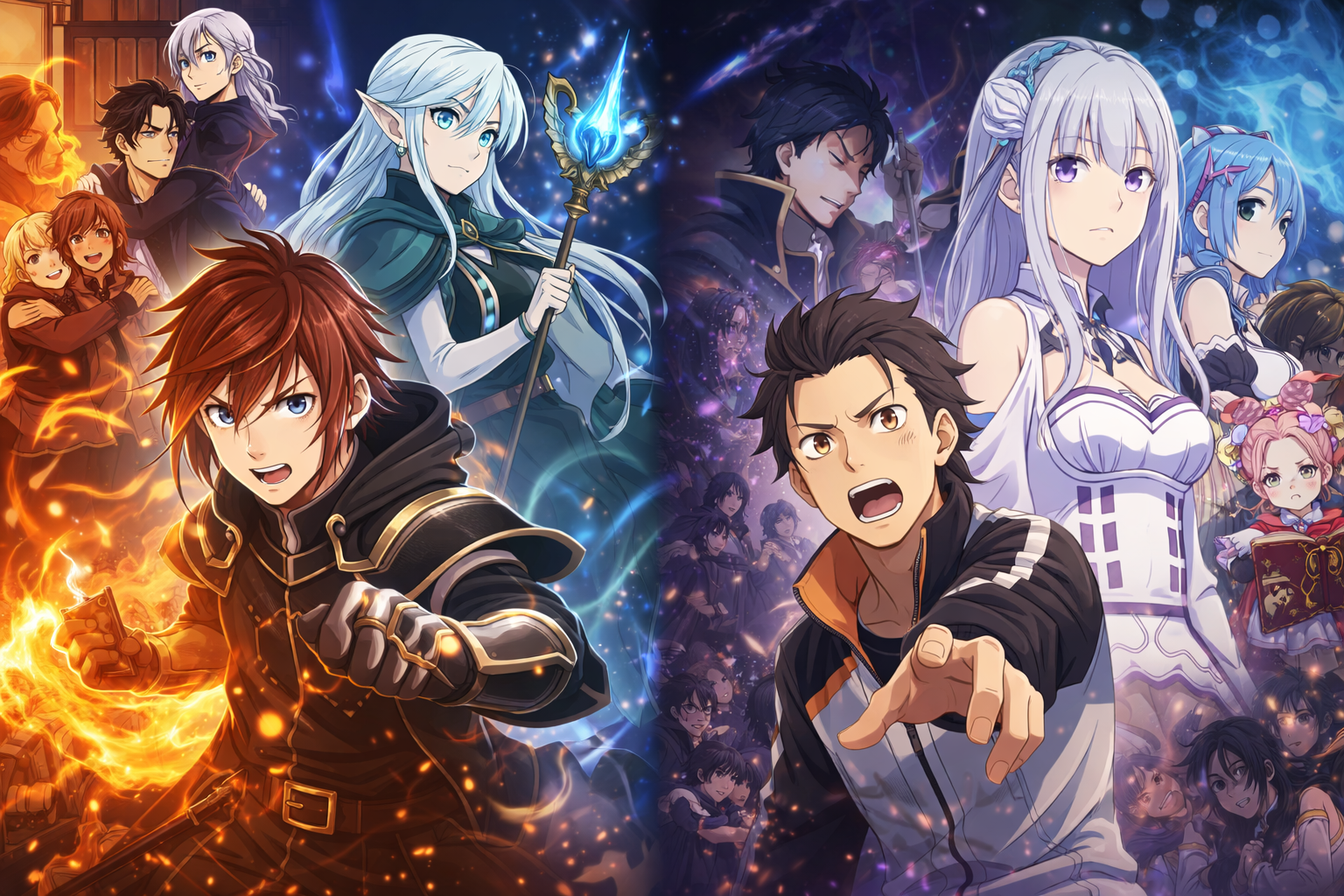
The Art of Adaptation: From Novels to Anime and Comics
Adaptations from novels to anime or comics have become one of the most influential forces in modern storytelling. Stories that once lived only on the page now reach millions through animation, manga, manhwa, and other illustrated formats. This process can elevate a written work into global popularity, but it can also strip away nuance if handled poorly. Readers and viewers often approach adaptations with excitement mixed with fear, hoping their favorite characters and worlds survive the transition intact.
This article explores how adaptations from novels to anime or comics work, why they are so challenging, and what separates unforgettable successes from infamous failures. By understanding the creative, technical, and cultural factors involved, it becomes easier to appreciate why adaptation is both an art and a risk.
Why Adaptations Matter More Than Ever
In today’s media landscape, adaptations from novels to anime or comics are not just common, they are central to how stories travel across cultures. A successful adaptation can introduce a niche novel to a massive international audience. Many viewers discover a story through anime first, then seek out the original novel or comic to experience it in greater depth.
Adaptations also extend the lifespan of a story. A completed novel might fade into obscurity, but an anime or comic adaptation can revive interest years later. This cycle benefits authors, publishers, and fans alike. However, with higher visibility comes higher expectations, and audiences are quick to criticize when an adaptation feels rushed, inaccurate, or disrespectful.
Understanding Adaptations From Novels to Anime or Comics
At its core, adaptation is translation. Not translation between languages, but translation between mediums. A novel relies on prose, internal thoughts, and detailed descriptions. Anime and comics rely on visuals, pacing, and dialogue. What works beautifully on the page does not always work on the screen or panel.
When adapting novels into anime, creators must decide how many episodes are available, how much material can realistically be covered, and which scenes are essential. Comics face similar constraints, with page limits and visual clarity shaping how much information can be conveyed at once.
This is why adaptations from novels to anime or comics often feel different even when they follow the same plot. The medium itself reshapes the story.
The Good, the Bad, and the Infamous
Some adaptations prove that this transformation can be handled with care and long term vision. The anime adaptation of Re:Zero − Starting Life in Another World is often praised for preserving the psychological weight of its webnovel origins. While the anime necessarily trims internal monologue and exposition, it compensates through pacing, voice acting, music, and visual framing. Even when scenes are condensed, the emotional throughline remains intact, allowing character growth and recurring themes of despair, resilience, and consequence to land with impact. The result is an adaptation that feels respectful rather than reductive.
By contrast, weaker webnovel adaptations show what happens when visual spectacle is prioritized over narrative understanding. Early criticism of The Beginning After the End webcomic highlights how difficult it can be to translate heavy internal narration into a purely visual format. Key emotional beats that relied on introspection were flattened, and character motivations sometimes felt rushed or underdeveloped. While visually polished, the adaptation struggled to fully convey the internal logic that made the original webnovel resonate so strongly with readers.
These examples demonstrate that success is not determined by popularity, budget, or animation quality alone. What matters most is whether the adaptation understands why the original story worked in the first place. When creators grasp the emotional core, structure, and intent of a webnovel, the transition to anime or comics can feel natural. When they do not, even a visually impressive adaptation risks losing the very audience it hoped to attract.
Structural Challenges in Adaptation
One of the biggest hurdles in adaptations from novels to anime or comics is structure. Novels often unfold slowly, allowing readers to sit with a character’s thoughts or explore the rules of a fictional world. Anime and comics move faster, driven by visuals and limited runtime or page counts.
Creators must decide what to cut, what to compress, and what to expand visually. Side characters may lose depth. Internal monologues may become brief lines of dialogue or visual cues. World building that spans chapters may be reduced to a single scene or background image.
This compression is not inherently bad, but it requires precision. When too much is removed, the story feels hollow. When too little is removed, pacing suffers and audiences lose interest.
Visual Storytelling as a Strength
While adaptation involves loss, it also offers gains. Anime and comics excel at showing emotion, action, and atmosphere instantly. A single panel or animated sequence can convey what pages of prose describe.
Visual symbolism becomes a powerful tool. Lighting, color palettes, character expressions, and framing can replace lengthy descriptions. Music and sound design in anime add emotional layers that novels cannot provide.
Successful adaptations from novels to anime or comics embrace these strengths instead of trying to replicate prose word for word. They ask how a feeling or idea can be shown rather than explained.
Faithfulness Versus Interpretation
One of the most debated topics in adaptations is faithfulness. Fans often demand strict adherence to the source material, while creators argue for creative freedom. The truth lies somewhere in between.
A faithful adaptation captures the spirit, themes, and characters of the original, even if events are rearranged or trimmed. A rigid adaptation that copies scenes without considering pacing or medium often feels lifeless.
Interpretation becomes necessary when adapting complex novels. The goal is not replication, but resonance. When viewers recognize the heart of the story, they are more forgiving of changes.
Manga, Manhwa, Manhua, and Beyond
Adaptations from novels to anime or comics are not limited to Japanese media. Manga refers to Japanese comics, manhwa to Korean comics, and manhua to Chinese comics. Each has its own visual language and storytelling traditions.
Light novels are particularly common sources for anime adaptations, often blending prose with illustrations that guide visual interpretation. Web novels also play a growing role, especially in Korean and Chinese markets, where popular online stories transition into comics and animation.
Understanding these formats helps explain why some adaptations feel different across regions. Cultural storytelling norms influence pacing, character archetypes, and even genre expectations.
Translating Internal Worlds
One of the hardest elements to adapt is the internal world of a character. Novels often rely on thoughts, memories, and narration to build emotional depth. Anime and comics must externalize these elements.
Voiceovers, symbolic imagery, and visual metaphors are common solutions. In comics, panel composition and silent moments can reflect inner conflict. In anime, music and lingering shots serve a similar purpose.
When creators neglect this internal dimension, characters can feel flat or unmotivated. Strong adaptations find visual ways to preserve psychological depth.
Reinvention as Respect
Reinvention is not betrayal. Many of the most beloved adaptations from novels to anime or comics succeed because they reinterpret the source with intention. They recognize what can be improved or clarified through a different medium.
This approach requires deep respect for the original work. Creators must understand why fans care before deciding what to change. When reinvention serves the story rather than ego or trends, it strengthens the adaptation.
Audience Expectations and Fan Culture
Modern adaptation exists under intense scrutiny. Fans share opinions instantly through social media, forums, and reviews. A single casting choice or design change can spark widespread debate.
This environment pressures creators but also keeps standards high. Audiences today are knowledgeable and invested. They expect adaptations from novels to anime or comics to honor established lore and character dynamics.
Successful adaptations often involve collaboration with original authors or close consultation with source material teams. This connection helps align creative vision with fan expectations.
Long Term Impact of Adaptations
A strong adaptation can redefine how a story is remembered. For some works, the anime or comic version becomes more famous than the original novel. This visibility can shape sequels, merchandise, and future adaptations.
Poor adaptations, however, can stall a franchise for years. Studios become hesitant, and audiences lose trust. This long term impact makes adaptation choices especially important.
Finding the Balance
The art of adaptation lies in balance. Adaptations from novels to anime or comics must balance faithfulness with innovation, compression with clarity, and visual spectacle with emotional depth.
When creators understand both the source material and the strengths of their chosen medium, adaptations become more than retellings. They become reinterpretations that stand on their own.
Conclusion
Adaptations from novels to anime or comics are neither easy nor guaranteed successes. They require careful planning, creative sensitivity, and respect for both story and audience. When done well, they expand worlds, deepen emotional impact, and invite new generations of fans into beloved narratives.
The next time an adaptation is announced, excitement and skepticism will naturally follow. That tension is part of what makes adaptation fascinating. It is a risky transformation, but when it succeeds, it reminds us why stories are worth retelling in the first place.