
The Rise of Isekai Webnovels: Exploring the Trend
Over the past decade, webnovels have grown from a niche hobby into a global form of entertainment. Among the many genres that thrive on online platforms, one stands out for its sheer volume, adaptability, and cultural reach: isekai. Stories centered on characters being transported, reincarnated, or summoned into another world have become a defining feature of modern web fiction. While the premise may seem simple on the surface, the continued popularity of isekai webnovels suggests something deeper at work.
Isekai is not just about escaping reality or indulging in fantasy. At its core, the genre explores transformation, agency, and the challenge of rebuilding one’s identity under entirely new rules. Its success lies in how effectively it blends imaginative settings with emotional familiarity, allowing readers to engage with both the spectacle of new worlds and the personal journeys of the characters within them.
Understanding the Isekai Genre
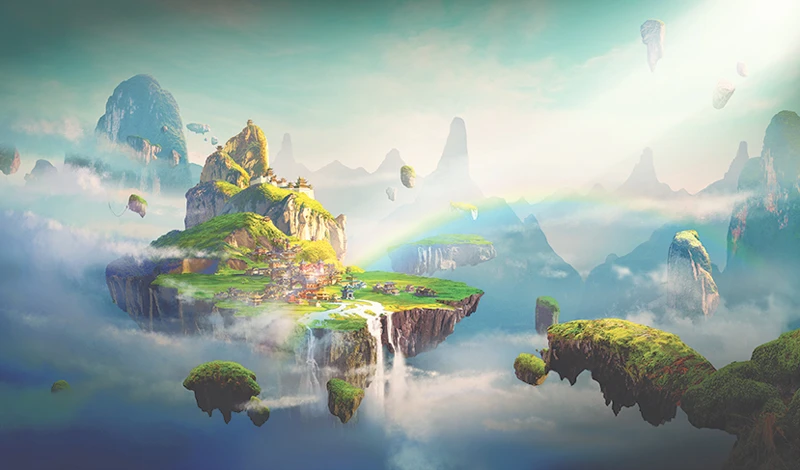
The term isekai literally means another world. In webnovels, it refers to stories where a protagonist leaves their original world and enters a new one, often permanently. This transition can happen through death and reincarnation, sudden summoning, dimensional travel, or even immersion into a game-like environment. Regardless of the method, the defining feature is displacement. The protagonist must adapt to a world that operates under different physical, social, and moral rules.
Early examples of isekai focused heavily on adventure and discovery, emphasizing the novelty of the new environment. Over time, the genre expanded to include political intrigue, economic reform, slice-of-life narratives, romance, and philosophical reflection. Modern isekai webnovels are rarely just about survival. They are often about rebuilding systems, redefining success, or questioning whether returning home is even desirable.
Why Isekai Thrives on Webnovel Platforms
Webnovels provide a unique environment for isekai storytelling. The serialized format allows authors to explore long-term character growth, worldbuilding, and power progression in ways that traditional publishing often cannot. Readers can follow a protagonist from their weakest point through gradual development, setbacks, and reinvention.
Digital platforms also allow for immediate reader feedback. Authors can adjust pacing, focus, and even narrative direction based on audience response. This flexibility has helped isekai evolve rapidly, giving rise to subgenres such as slow-life isekai, villain reincarnation stories, kingdom-building narratives, and system-based progression tales.
Accessibility plays a major role as well. Many readers encounter isekai webnovels through free platforms, fan translations, or mobile apps. The low barrier to entry encourages experimentation, both from writers testing new ideas and from readers exploring unfamiliar styles of storytelling.
Common Themes That Define Isekai Stories
Despite its diversity, isekai webnovels share several recurring themes that help explain their emotional pull.
One of the most prominent is reinvention. Protagonists often begin as ordinary or marginalized individuals in their original world. In the new world, they are given a second chance, sometimes with unique abilities or knowledge that sets them apart. This does not automatically make them successful, but it creates the possibility of growth on their own terms.
Another key theme is agency. Unlike many traditional fantasy stories where destiny dictates outcomes, isekai protagonists often shape their futures through deliberate choices. Even when external systems exist, such as levels or skills, success usually depends on how those systems are used rather than simply possessing them.
Isekai also frequently explores responsibility. Power, once gained, brings consequences. Some stories focus on the burden of leadership, the ethics of intervention, or the unintended harm caused by well-meaning actions. These elements add moral weight to what could otherwise be simple power fantasies.
Power Systems and Structured Progression
One reason isekai resonates so strongly with readers is its emphasis on clear, understandable progression. Many stories introduce structured systems that govern growth, such as skill trees, magic circuits, cultivation stages, or status windows. These systems provide measurable milestones that make progress feel earned.
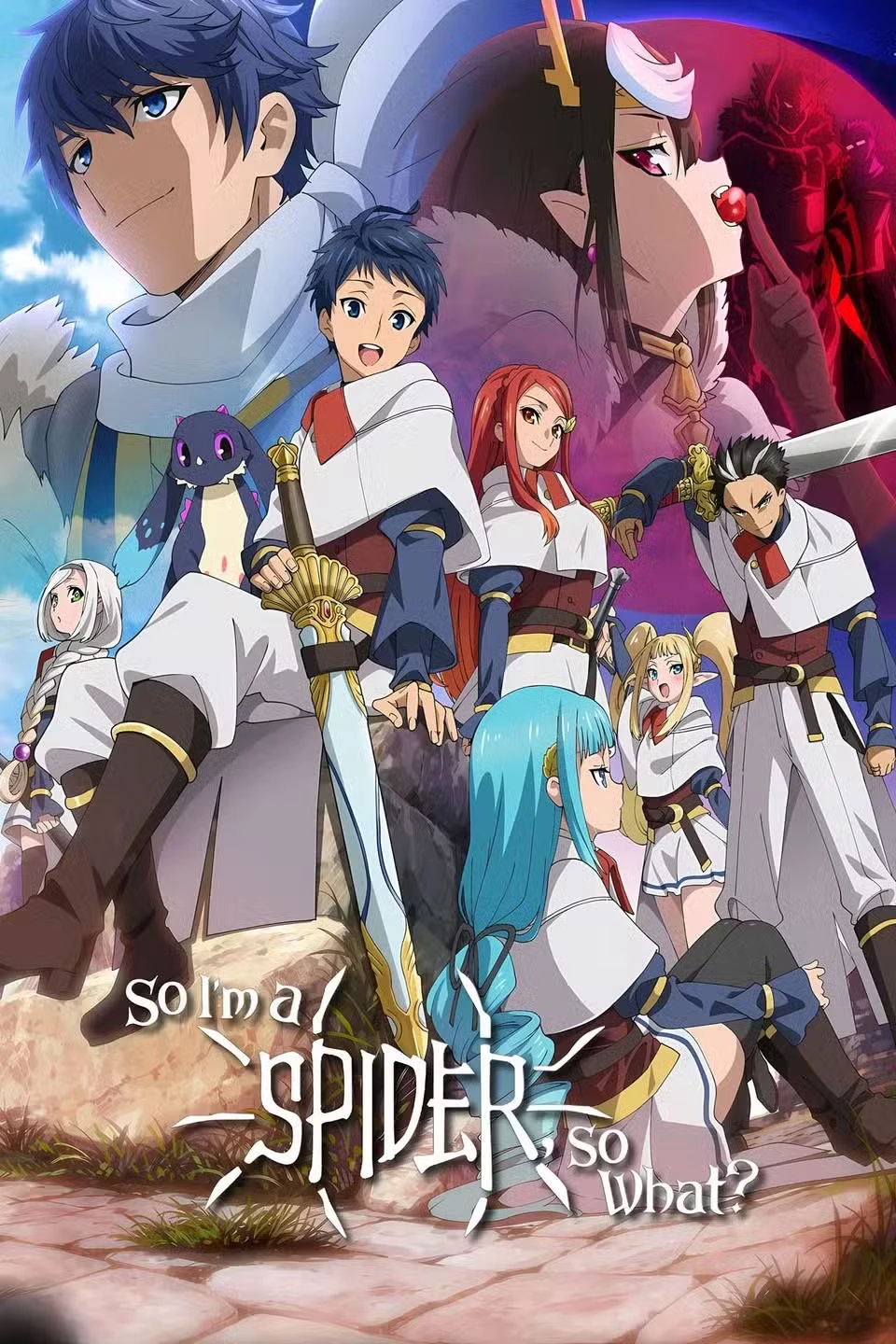
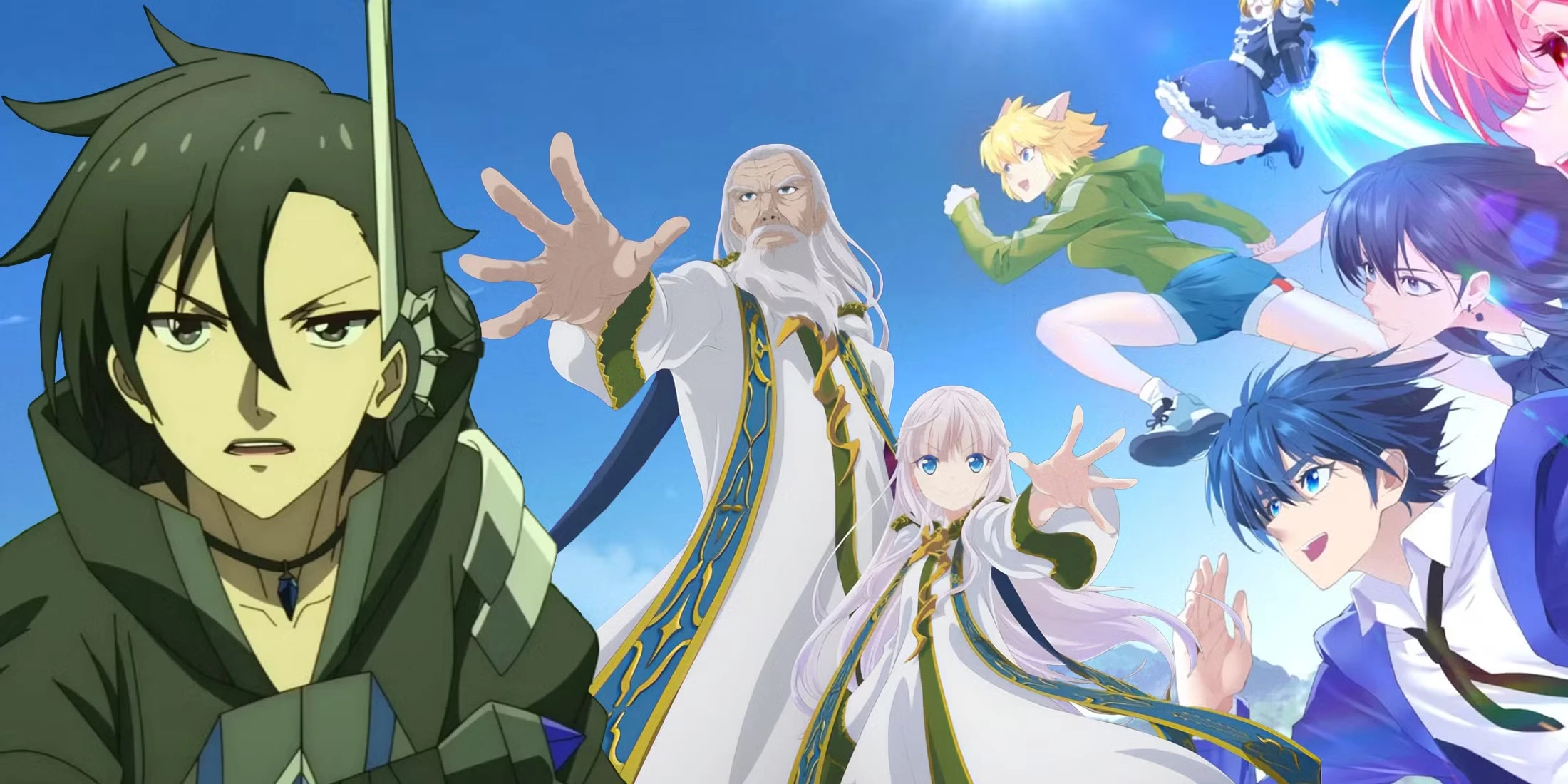
While not every isekai uses explicit mechanics, most establish internal rules that limit or enable the protagonist’s abilities. These constraints are crucial. They prevent unlimited power escalation and allow tension to persist even as the character becomes stronger.
Examples of this approach can be seen across multiple media. In Mushoku Tensei, magical growth is tied to early training and physical endurance, reinforcing the idea that talent alone is not enough. In Re:Zero, power comes with extreme psychological cost, subverting the expectation that repeated chances guarantee success. These variations demonstrate how flexible the isekai framework can be.
Escapism Without Total Detachment
Escapism is often cited as a reason for isekai’s popularity, but the genre rarely promotes complete detachment from reality. Instead, it reframes familiar struggles within a different context. Issues such as social isolation, burnout, regret, and unfulfilled potential frequently appear in the protagonist’s backstory.
The alternate world becomes a testing ground where these unresolved issues can be confronted. Success in the new world does not erase past pain, but it offers a way to process it. This balance between fantasy and emotional realism helps readers remain invested beyond surface-level spectacle.
Adaptations and Cultural Reach
The success of isekai webnovels has led to widespread adaptation into anime, manga, and games. Titles like Sword Art Online and That Time I Got Reincarnated as a Slime helped introduce isekai concepts to mainstream audiences. These adaptations, in turn, drive new readers back to webnovels, creating a continuous cycle of discovery.
This cross-media presence has solidified isekai as more than a passing trend. It has become a recognizable narrative structure that audiences across cultures can engage with, even when specific settings or tropes differ.
Community and Reader Engagement
Another defining feature of isekai webnovels is the strength of their fan communities. Readers actively discuss theories, critique power systems, and debate character decisions. Comment sections and forums often become extensions of the story itself, shaping how readers interpret events.
Fan translations play a particularly important role. Many popular isekai webnovels reach international audiences long before official licensing occurs. This grassroots distribution contributes to the genre’s global footprint and allows non-native works to influence local storytelling trends.
For many readers, following an isekai webnovel is not just about the story. It is about participating in an ongoing conversation, watching a world grow chapter by chapter, and sharing that experience with others.
Criticism and Genre Fatigue
Despite its popularity, isekai is not without criticism. Some readers feel that repetitive tropes, shallow character development, or overpowered protagonists weaken the genre. These concerns are valid, especially in a space where quantity often outpaces refinement.
However, genre fatigue has also pushed authors to innovate. Many recent isekai webnovels deliberately subvert expectations, focusing on failure, ethical ambiguity, or quiet domestic life rather than conquest and dominance. These shifts suggest that isekai continues to adapt rather than stagnate.
The Future of Isekai Webnovels
As webnovel platforms continue to expand, isekai is likely to remain a central pillar of online fiction. Its flexibility allows it to absorb new themes, respond to cultural changes, and experiment with narrative form. Whether through political reconstruction, emotional healing, or slow-life storytelling, isekai offers authors a framework that can evolve alongside its audience.
For readers, the appeal remains clear. Isekai webnovels offer a space where growth is possible, choices matter, and identity is not fixed. They invite readers to imagine not just another world, but another version of themselves shaped by different rules and opportunities.
Conclusion
Isekai webnovels endure because they do more than transport characters to new worlds. They explore what it means to start over, to adapt, and to find meaning under unfamiliar conditions. Through structured systems, emotional resonance, and long-form storytelling, the genre continues to captivate readers across the globe.
Whether approached as fantasy, self-exploration, or social commentary, isekai remains one of the most influential forces in modern web fiction. Its continued evolution suggests that the journey to another world is far from over.